 Y8 Games
Discover the Best hidden objects Games for Puzzle Fans
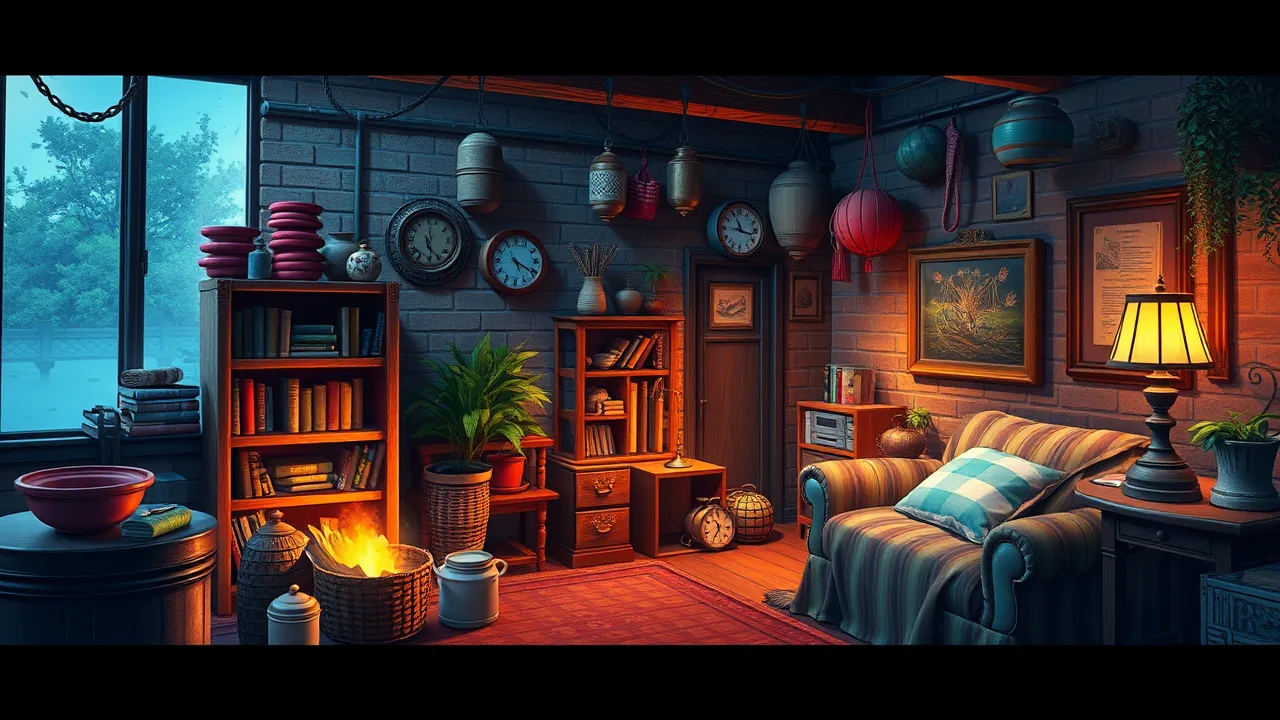
Welcome to a world where patience meets discovery, and every detail matters. If you have a keen eye for detail and enjoy the thrill of uncovering secrets, you are in the right place. We are diving deep into the relaxing yet challenging universe of hidden objects, a beloved sub-genre of puzzle games that tests your observation skills and sharpens your focus. Whether you are looking for a quick mental break or an immersive session of searching for elusive items, this guide will walk you through everything you need to know about mastering this classic gaming experience.
At its core, this gaming experience is about more than just finding things; it is about training your brain to filter out the noise and spot the essential. Unlike fast-paced action titles, this genre invites you to slow down and scan your surroundings with intent. You are often placed in cluttered environments, ranging from cozy living rooms to mysterious ancient ruins, where the challenge is to distinguish the target items from the background noise. This type of gameplay is excellent for improving cognitive function, specifically visual processing speed and short-term memory. It creates a meditative state where the outside world fades away, leaving only you and the puzzle. The satisfaction of finally spotting that one item hidden in plain sight is a unique reward that keeps players coming back for more.
Core Gameplay Mechanics and Objectives
The primary objective in these puzzle games is straightforward: locate a specific list of items hidden within a scene. However, the execution varies wildly between different levels and modes. Some iterations present you with a list of words, requiring you to find objects that match the descriptions. Others might show you silhouettes or partial images, challenging you to recognize the shape or color of the item. As you progress, the complexity ramps up. You might encounter scenes where items are cleverly camouflaged, blending into the background colors, or hidden behind interactive objects that you must move or open. Mastering these mechanics requires a strategic approach—scanning the scene systematically rather than randomly looking around can save valuable time and prevent frustration.
Game Overview
| Feature | Details |
|---|---|
| Gameplay Style | Point-and-click visual search |
| Controls | Mouse click or touch input |
| Session Pace | Relaxed and self-paced |
| Device Fit | Mobile, Tablet, and Desktop |
| Category Match | Puzzle Games |
Why Visual Search Games are Relaxing
There is a reason why hidden object games have maintained their popularity for decades: they offer a perfect escape from high-stress environments. The gameplay loop is gentle on the nerves. There are typically no enemies to fight, no complex controls to master, and no immediate threats of failure. Instead, the game provides a soothing soundtrack and beautiful artwork while you engage in a low-stakes activity. This makes it an ideal choice for unwinding after a long day. The repetitive nature of scanning and clicking becomes almost rhythmic, allowing your mind to enter a flow state. It is a digital form of mindfulness, keeping you present in the moment as you hunt for the next clue or missing artifact.
Strategies for Finding Elusive Items
Even for seasoned players, some scenes can be incredibly tricky. When you feel stuck, it helps to change your perspective. Instead of looking for the object itself, try looking for specific colors or textures that stand out against the palette of the scene. Another effective strategy is to divide the screen into quadrants mentally, clearing one section at a time before moving to the next. This prevents your eyes from wandering aimlessly across the entire image. Additionally, utilizing the hint system when it is available is not a sign of defeat; it is a strategic tool to keep your momentum going. Sometimes, a nudge in the right direction is all you need to spot the pattern and continue your search with renewed vigor.
Visual Design and Atmospheric Immersion
The visual component of these games is often the unsung hero of the experience. Developers invest significant time into creating rich, detailed environments that tell a story without words. A dusty attic might reveal clues about a forgotten history, while a vibrant garden scene can evoke feelings of joy and tranquility. The artwork serves a dual purpose: it acts as the puzzle itself, providing the complexity needed for the challenge, and it sets the mood for the gameplay. High-quality graphics ensure that even when you are squinting at the screen trying to find a tiny needle in a haystack, the view remains pleasing. The lighting effects, shadows, and intricate details all contribute to a sense of place that makes the search feel like a genuine exploration.
Accessibility and User Interface
One of the strongest aspects of the hidden objects genre is its accessibility. Because the core mechanic relies on visual recognition and simple inputs, it is easy for anyone to pick up and play. You do not need to learn complex button combinations or understand intricate rule sets. The user interface is designed to be intuitive, usually featuring a clear list of items to find and a prominent hint button. This simplicity makes it a fantastic choice for gamers of all ages, from young children developing their observation skills to seniors looking to keep their minds sharp. The game adapts to your pace, allowing you to take as much time as you need to enjoy the scene and find every last item.
FAQ
What skills does this game help improve?
Playing this game is excellent for enhancing visual perception, attention to detail, and pattern recognition. It also helps improve concentration and patience, as players must focus intently to distinguish items from complex backgrounds.
Is there a time limit for finding items?
This depends on the specific mode or level you are playing. Some challenges are timed to add an element of urgency and test your speed, while other modes allow for a relaxed, untimed experience where you can search at your own leisure.
Can I use hints if I get stuck?
Yes, most versions of this game include a hint system. If you are having trouble locating a specific object, you can use a hint to highlight the area where the item is hidden. These usually recharge over time or can be earned through gameplay.
Are the scenes static or interactive?
Many modern puzzle games in this genre feature interactive elements. You may need to open drawers, move furniture, or solve small riddles within the scene to reveal the hidden items. This adds a layer of depth beyond simple visual scanning.
Is this game suitable for children?
Absolutely. The gameplay is family-friendly and does not contain violence or inappropriate content. It is a constructive way for children to engage with screen time, helping them develop focus and cognitive skills in a fun environment.