 Y8 Games
Mastering time management in Puzzle Games
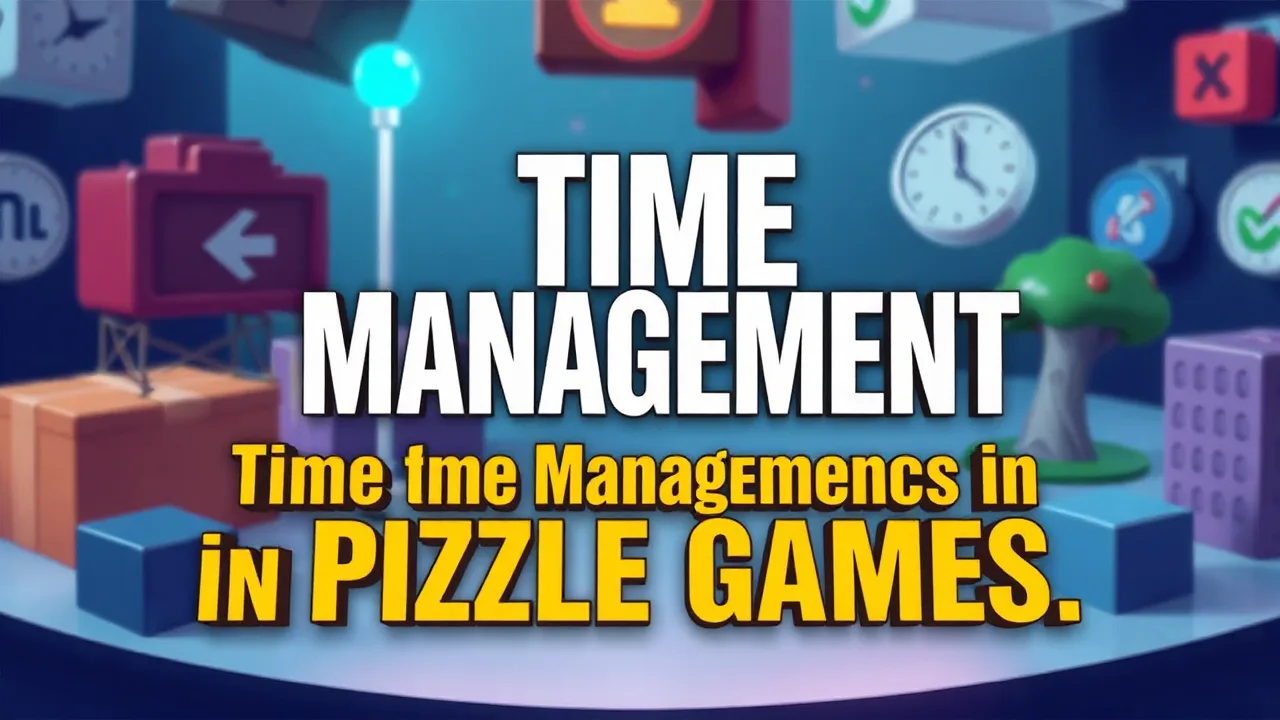
Time management in puzzle games blends quick thinking with careful planning, and the time management category offers a perfect playground for building those skills. This page explores how the genre teaches efficient decision-making and steady focus, while inviting you to jump into a match and test your pacing right away.
This keyword page works best when it helps players move from general interest to a more focused selection inside the Puzzle Games category. For readers who want more games related to time management, time management gives a direct path to similar options without breaking the flow of the page.
At the heart of these puzzles is a loop of planning, acting, and adjusting under a clock. You assess the board, identify immediate priorities, and sequence tasks to maximize output before time runs out. The loop rewards players who stay calm and react quickly, turning each second into a small, meaningful choice. When you refine this cycle, you build habits that carry across many puzzle types and keep every session engaging.
Building Situational Awareness
Strong time management starts with awareness of what is happening now and what is coming next. In puzzle play, that means scanning the entire field, spotting bottlenecks, and noticing opportunities that are about to expire. Training your eyes to move in patterns helps you avoid tunnel vision and lets you catch critical changes early. With practice, you will track multiple moving parts and make confident calls before pressure mounts.
| Feature | Details |
|---|---|
| Gameplay style | Timed puzzle tasks with efficient action sequences |
| Controls | Simple click or tap interactions for quick decisions |
| Session pace | Fast, with short rounds that reward steady focus |
| Device fit | Play friendly on desktop and mobile browsers |
| Category match | Strong fit for Puzzle Games with time-based challenges |
Prioritizing Under Pressure
Choosing what to do first is often the difference between a clean run and a scramble. Start by identifying tasks that unlock more options or prevent future delays. Then, tackle items with tight windows before they vanish. If you face several equal choices, pick the one that keeps your next move flexible. This mindset helps you stay in control when the timer ticks faster than you expect.
Mastering Rhythm and Flow
Time management improves when you find a rhythm that matches the puzzle cadence. Some moments call for rapid clicks, while others require a brief pause to plan. Learn to switch gears smoothly so you do not burn energy on low-value actions. With a steady flow, you will conserve mental focus for critical moments and keep your overall pace consistent across each round.
Learning From Every Attempt
Reflection turns practice into progress. After each session, ask which decisions saved time and which created delays. Look for patterns where you hesitate or overcommit, then set a simple rule to address it next round. Small adjustments, such as pre-selecting your next move before acting, compound into big gains. Over time, you will see smoother runs and higher scores without feeling rushed.
Staying Consistent and Motivated
Consistency beats occasional bursts of effort. Set short, repeatable goals that fit into a single session, like clearing a specific area or finishing a stage with time to spare. Celebrate small wins to keep motivation high, and treat setbacks as data for your next attempt. With a friendly routine, you will enjoy steady growth and keep the experience fresh and rewarding.
FAQ
What makes time management puzzles engaging? They combine clear goals with a visible clock, so every choice matters and progress feels immediate. How can a beginner start strong? Begin with simple patterns, focus on one task at a time, and avoid overcomplicating early moves. Can these skills help outside the game? Yes, planning, prioritizing, and staying calm under pressure are useful in daily tasks and projects. Why choose this category? It delivers quick sessions that build focus and decision speed in a fun, low-stress environment.