 Y8 Games
Apocalypse Games
Apocalypse games often involve surviving in ruined worlds with basic controls. Players face harsh environments that demand careful resource management.




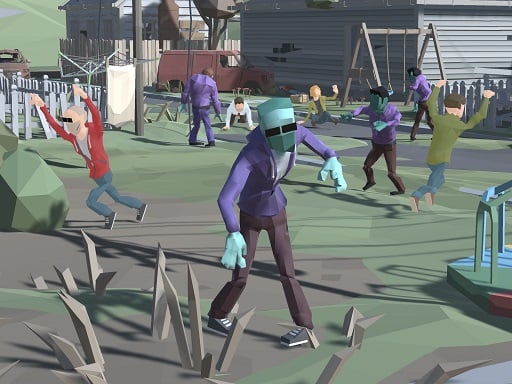
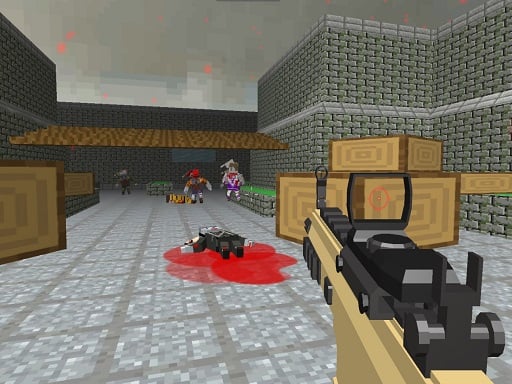
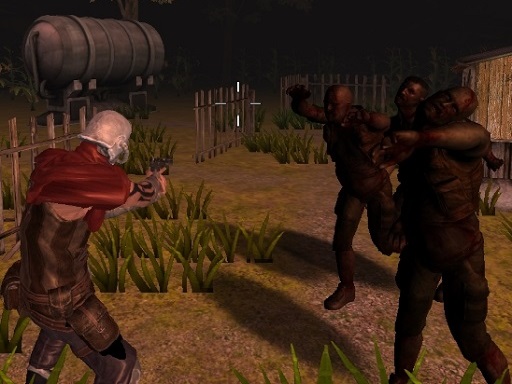
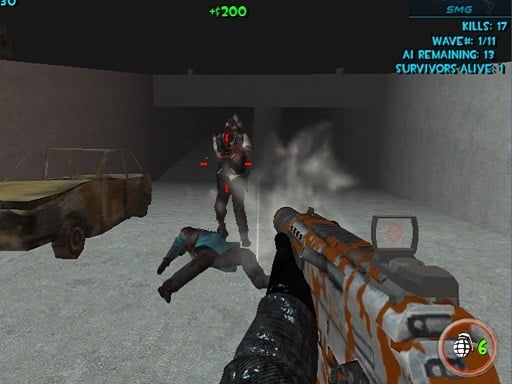
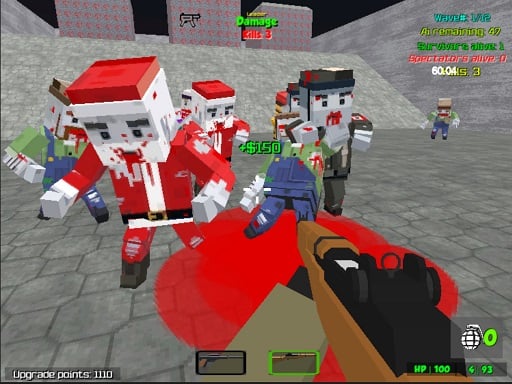
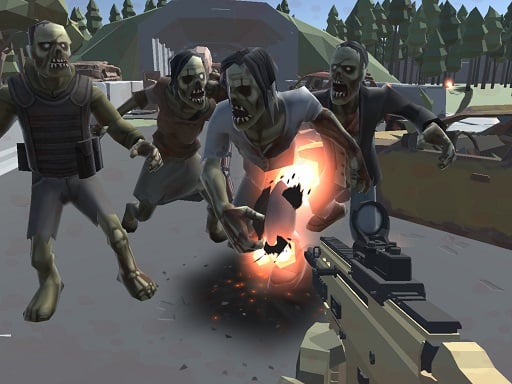
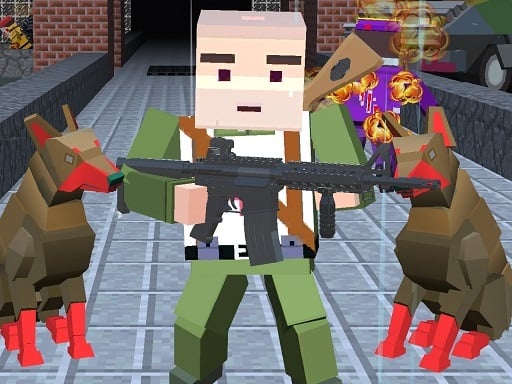
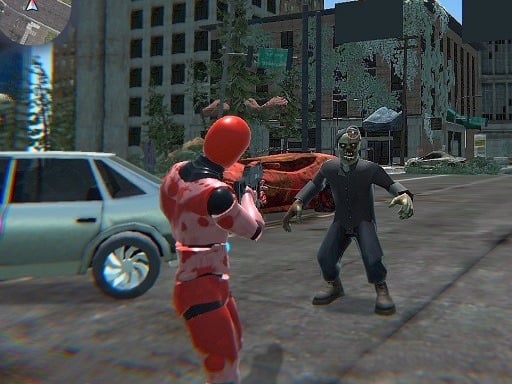
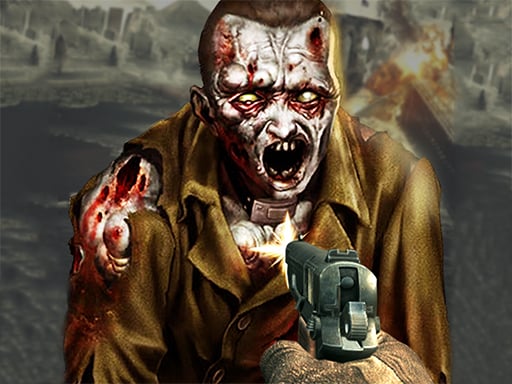
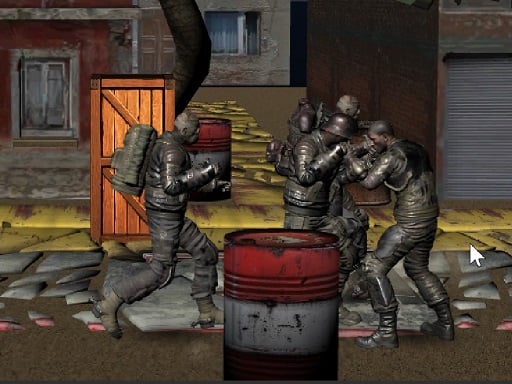
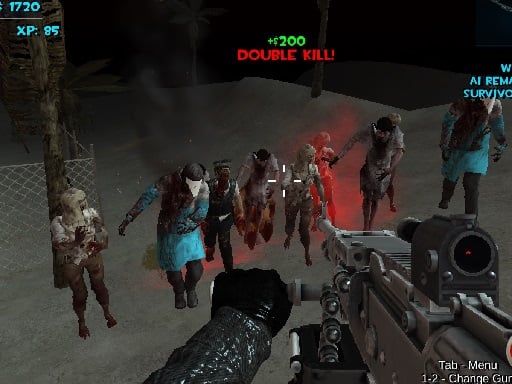
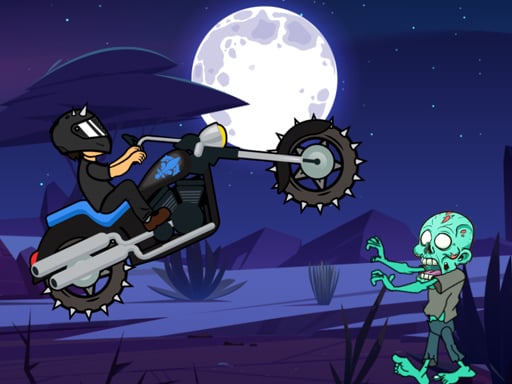
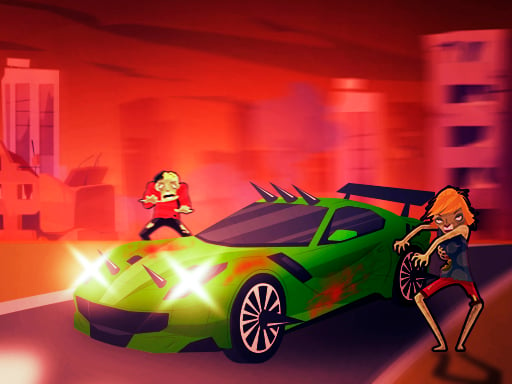
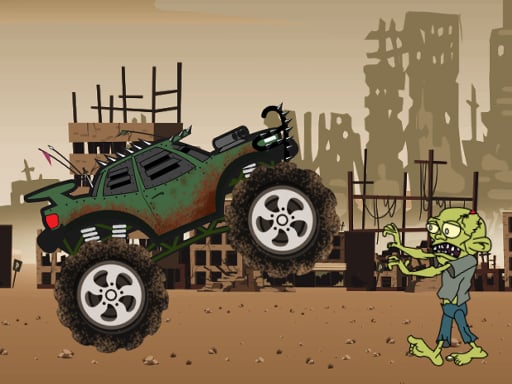
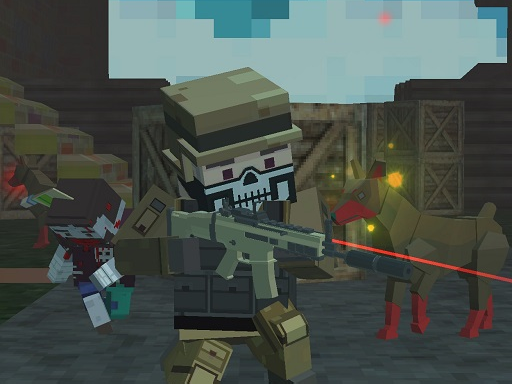

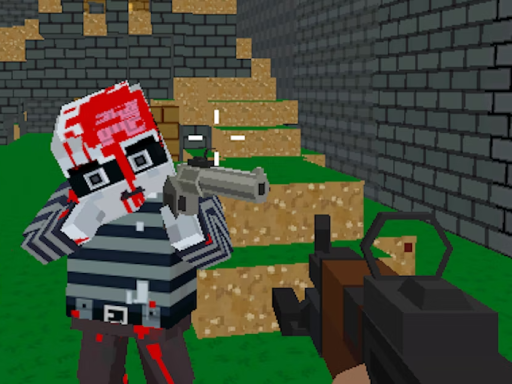
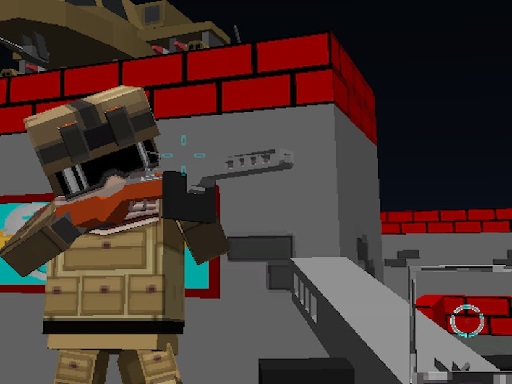
Many titles feature exploration and base building as core loops. A common theme is scavenging for supplies to stay alive. Players often encounter zombies or other monsters during their play. The goal is to survive as long as possible. These games typically use simple controls like movement keys and action buttons. Players might need to press a key to interact with objects. Inventory management is a frequent task. Players often need to craft items from gathered materials. The genre usually requires strategic thinking to overcome challenges. Players may need to decide between fighting or fleeing. The atmosphere is often bleak and dangerous. Players must adapt to changing conditions. This is a popular category for survival game fans. The genre includes many subtypes. Players often find themselves in desolate cities. Some games focus on building shelters. Others emphasize combat against hostile forces. Players must often make tough choices. The genre is known for its tension. Players need to stay alert. This genre appeals to those who like strategy. Many players enjoy the post-apocalyptic setting. The gameplay can be intense. Players often have limited resources. The world is usually hostile. Players must plan their actions carefully. This genre is very popular. Many players enjoy the challenge. The games often have a dark tone. Players must survive against odds. This is a key feature. The genre is diverse. Players can find many options. The games are often rewarding. Players can build their own stories. The genre is always evolving. Players can find new challenges. The games are often complex. Players must think ahead. The genre is very engaging. Players can enjoy many hours. The games are often deep. Players can explore freely. The genre is well loved. Players can find many titles. The games are often gritty. Players can face many dangers. The genre is exciting. Players can test their skills. The games are often realistic. Players can make choices. The genre is for everyone. Players can find their own way. The games are often open. Players can create their own path. The genre is diverse. Players can enjoy different styles. The games are often hard. Players can overcome obstacles. The genre is challenging. Players can improve over time. The games are often rewarding. Players can feel accomplished. The genre is popular. Players can find communities. The games are often shared. Players can discuss strategies. The genre is social. Players can connect with others. The games are often online. Players can team up. The genre is varied. Players can choose their approach. The games are often different. Players can find their niche. The genre is broad. Players can explore many ideas. The games are often creative. Players can use their imagination. The genre is for thinkers. Players can plan their moves. The games are often tactical. Players can use strategy. The genre is for planners. Players can manage resources. The games are often about survival. Players can test their limits. The genre is for adventurers. Players can explore new areas. The games are often about discovery. Players can find secrets. The genre is for explorers. Players can enjoy the world. The games are often atmospheric. Players can feel the mood. The genre is for immersion. Players can get lost in the world. The games are often detailed. Players can notice small things. The genre is for observers. Players can see everything. The games are often beautiful. Players can appreciate the art. The genre is for artists. Players can enjoy the visuals. The games are often well made. Players can feel the quality. The genre is for connoisseurs. Players can appreciate the craft. The games are often polished. Players can enjoy the smoothness. The genre is for everyone. Players can find something they like. The games are often varied. Players can choose their favorite. The genre is diverse. Players can explore different themes. The games are often unique. Players can find something new. The genre is innovative. Players can see new ideas. The games are often fresh. Players can enjoy the novelty. The genre is for innovators. Players can see progress. The games are often updated. Players can get new content. The genre is for loyal fans. Players can follow the series. The games are often sequels. Players can enjoy familiar mechanics. The genre is for veterans. Players can use their experience. The games are often deep. Players can learn new things. The genre is for learners. Players can improve their skills. The games are often challenging. Players can face new tests. The genre is for competitors. Players can compare their scores. The games are often scored. Players can see their progress. The genre is for achievers. Players can set goals. The games are often objective based. Players can complete tasks. The genre is for completionists. Players can do everything. The games are often long. Players can spend many hours. The genre is for dedicated players. Players can commit time. The games are often rewarding. Players can feel satisfaction. The genre is for those who like to persist. Players can see results. The games are often about effort. Players can work hard. The genre is for workers. Players can put in time. The games are often about grinding. Players can repeat tasks. The genre is for grinders. Players can enjoy repetition. The games are often about efficiency. Players can optimize their play. The genre is for optimizers. Players can find the best way. The games are often about strategy. Players can think deeply. The genre is for strategists. Players can make plans. The games are often about tactics. Players can make quick decisions. The genre is for tacticians. Players can react fast. The games are often about action. Players can engage in combat. The genre is for action lovers. Players can enjoy excitement. The games are often about adventure. Players can explore new places. The genre is for adventurers. Players can go on quests. The games are often about story. Players can follow a plot. The genre is for story lovers. Players can enjoy narratives. The games are often about choices. Players can make decisions. The genre is for decision makers. Players can shape the world. The games are often about consequences. Players can see outcomes. The genre is for thinkers. Players can consider their actions. The games are often about morality. Players can face ethical dilemmas. The genre is for philosophers. Players can think about right and wrong. The games are often about survival. Players can fight to live. The genre is for survivors. Players can endure hardship. The games are often about scarcity. Players can manage limited resources. The genre is for managers. Players can allocate resources. The games are often about danger. Players can face threats. The genre is for risk takers. Players can take chances. The games are often about uncertainty. Players can face unknowns. The genre is for explorers. Players can venture into the unknown. The games are often about adaptation. Players can change their tactics. The genre is for adaptable players. Players can adjust their approach. The games are often about learning. Players can gain knowledge. The genre is for students. Players can learn from mistakes. The games are often about practice. Players can improve through repetition. The genre is for practitioners. Players can hone their skills. The games are often about mastery. Players can become experts. The genre is for masters. Players can achieve high skill. The games are often about competition. Players can compare themselves. The genre is for competitors. Players can strive to be best. The games are often about cooperation. Players can work together. The genre is for team players. Players can collaborate. The games are often about community. Players can join groups. The genre is for social players. Players can interact with others. The games are often about sharing. Players can share their experiences. The genre is for creators. Players can make content. The games are often about creativity. Players can express themselves. The genre is for artists. Players can build and design. The games are often about freedom. Players can choose their path. The genre is for free spirits. Players can explore without limits. The games are often about open worlds. Players can go anywhere. The genre is for explorers. Players can roam freely. The games are often about nonlinear play. Players can do things in any order. The genre is for non-linear thinkers. Players can choose their order. The games are often about sandbox. Players can create their own fun. The genre is for sandbox fans. Players can build and destroy. The games are often about simulation. Players can simulate survival. The genre is for sim fans. Players can enjoy realistic scenarios. The games are often about role playing. Players can take on roles. The genre is for role players. Players can act as characters. The games are often about immersion. Players can feel inside the world. The genre is for immersive players. Players can suspend disbelief. The games are often about atmosphere. Players can feel the mood. The genre is for atmospheric lovers. Players can enjoy the setting. The games are often about sound. Players can hear the world. The genre is for audio lovers. Players can appreciate the soundscape. The games are often about music. Players can listen to the score. The genre is for music fans. Players can enjoy the soundtrack. The games are often about graphics. Players can see the visuals. The genre is for visual fans. Players can appreciate the art style. The games are often about art. Players can see beautiful scenes. The genre is for art lovers. Players can enjoy the design. The games are often about style. Players can see unique looks. The genre is for style fans. Players can appreciate the aesthetics. The games are often about polish. Players can see the quality. The genre is for quality seekers. Players can enjoy well