 Y8 Games
Mystery Games
Mystery games usually require players to search scenes for clues and solve puzzles. Players often use a mouse or touch input to inspect items and find hidden objects.








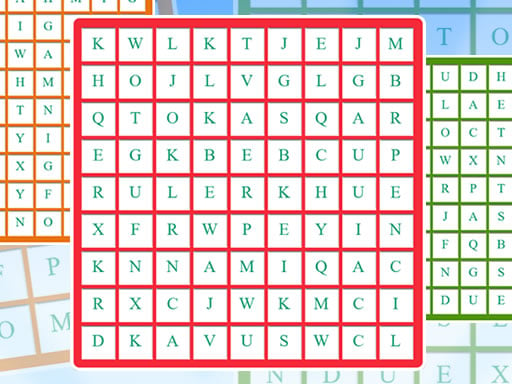



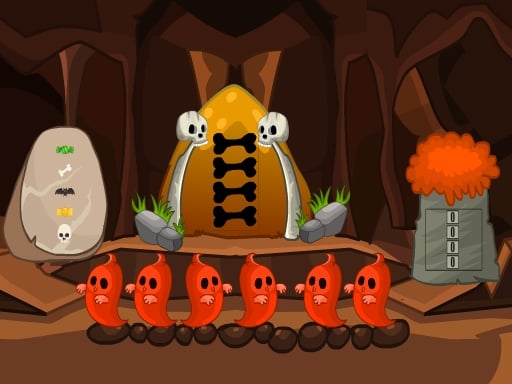


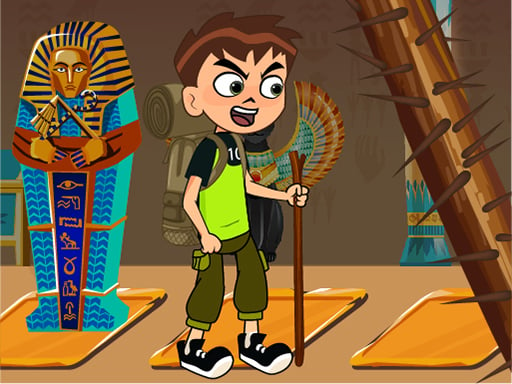


Also, the main goal is to piece together a narrative using evidence found in the environment.
How To Play mystery games
Fast movement is not required, players should click or tap to examine objects and talk to characters, looking for clues to solve the case.
Core Mechanics
The core loop involves exploring static environments to locate interactive points and gather information. Players must analyze collected items and dialogue to form logical connections and deduce the solution to the central enigma. These adventure mystery games rely on observation and reasoning rather than reflexes.
Inventory management is a common feature where players keep found items for later use in puzzles. Many titles use dialogue trees that allow the player to ask questions and gather testimony from non-playable characters. The puzzle mystery games often require combining items or using them on specific hotspots in the scene.
Tips
Players should take notes on clues and character alibis to keep track of the investigation details. Watch the environment carefully for subtle changes or new interactions that appear after specific events. Success in these detective mystery games depends on logical deduction and thorough searching of every area.
mystery Games FAQs.
Q: What are the typical controls in mystery games?
Q1: What is the main objective?
Q2: Is exploration a stated feature?
Q3: What is the primary mechanic?
A: Controls are often point and click or touch based.
A: The objective is to solve a puzzle or uncover a secret.
A: Yes, exploring environments to find clues is a feature.
A: The main mechanic is searching for and analyzing clues.
Mystery Tips for mystery
Explore the mystery arcade game by uncovering hidden clues and solving puzzles. This exciting adventure keeps you engaged as you search for secrets and progress through each challenging level with simple, direct gameplay.