 Y8 Games
Puzzle Games
Puzzle games demand logical thinking and pattern recognition from players. These games often feature grid-based layouts or spatial challenges that require careful planning.


















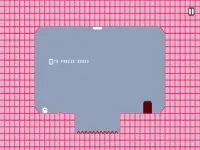



Also, they typically involve manipulating objects to achieve a clear goal, and i enjoy this mental workout.
How To Play Puzzle games
Players must analyze the presented situation, plan moves, and execute actions to progress, often using a mouse or touch input to interact with game elements, and the experience is usually Fast.
Core Mechanics
Core mechanics involve matching items or arranging shapes to clear the play area, which is a standard approach in many puzzle games. Players often face obstacles that block paths or require specific sequences to overcome. The primary objective is usually to solve a series of interconnected problems using logic and spatial reasoning.
Tips
Success often comes from observing the entire board before making a move. Watch for patterns that can help you predict outcomes and plan several steps ahead. Patience is key, as rushing can lead to mistakes that are hard to reverse in these puzzle games.
Puzzle Games FAQs.
Q: What are the typical controls for puzzle games? A: Controls vary but commonly involve clicking, dragging, or tapping to interact with objects.
Q: What is the main objective? A: The goal is usually to solve a problem or clear a board by arranging or matching elements.
Q: What is a common feature? A: A common feature is a grid-based layout where moves must be planned strategically.
Q: What is the primary mechanic? A: The primary mechanic is manipulating pieces or elements to achieve a specific configuration.