 Y8 Games
Sliding Games
Sliding games involve guiding an object or character across a surface by pushing or pulling it. Players often interact by dragging elements along a path to reach a target.




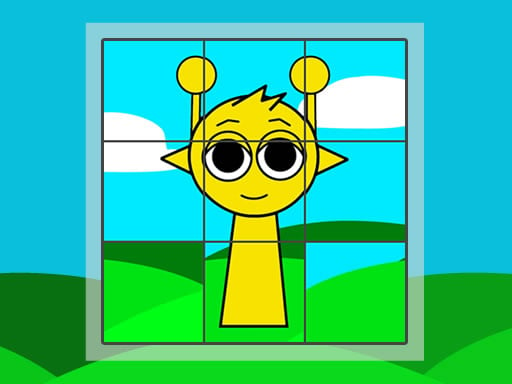

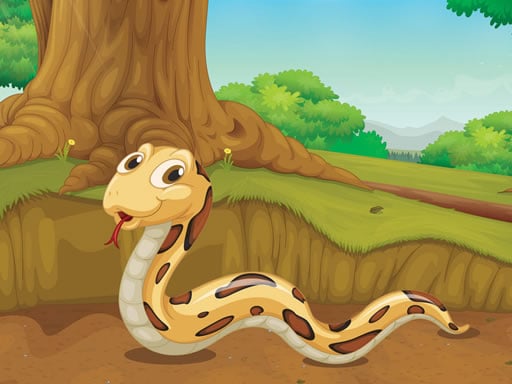





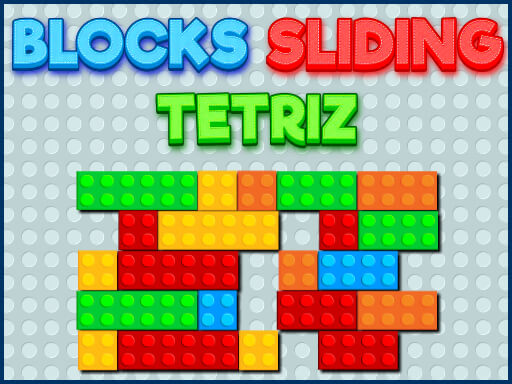

These puzzle sliding games require careful planning to avoid obstacles and achieve the goal.
How To Play sliding games
Fast gameplay requires you to slide the object along the available paths to reach the end point, using only the stated dragging action.
Core Mechanics
The primary mechanic involves moving an object in a straight line until it hits a boundary or another object. Players must calculate angles and distances to control the sliding direction effectively. Success depends on predicting the path and stopping the slide at the correct spot.
These logic sliding games often present a grid or board where each move affects the entire layout. The core objective is usually to position the sliding piece into a designated goal area. Managing momentum and avoiding collisions are central to the gameplay experience.
Many physics sliding games rely on friction and surface types to alter the slide speed. Players must adapt their strategy based on how the object reacts to different terrains. Mastering these interactions is key to solving the puzzles efficiently.
Tips
Watch the initial trajectory of your slide before committing to a move to ensure accuracy. Patience is vital since rushing can lead to overshooting the target area. Practice controlling the slide distance to improve your overall performance in these strategy sliding games.
sliding Games FAQs.
Q: What are the typical controls? A: Controls are not stated but usually involve dragging or swiping.
Q: What is the main objective? A: The objective is to slide a piece to a specific target location.
Q: Is there a specific feature mentioned? A: Not stated.
Q: What is the core mechanic? A: The core mechanic is sliding an object along a path until it stops.