 Y8 Games
Strategy Board Games
Strategy board games rely on physical boards, pieces, and cards, with players making long-term plans and reacting to opponents. Also they use dice or cards to decide outcomes, and i enjoy the simple turn flow that keeps play clear and fair.












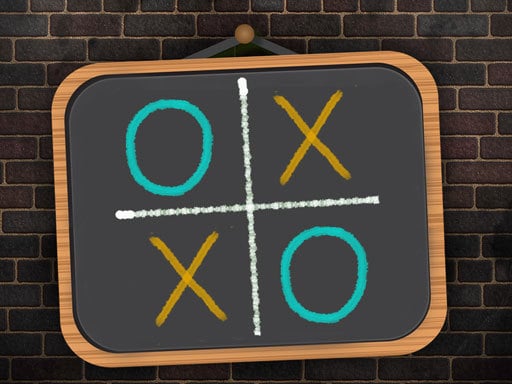
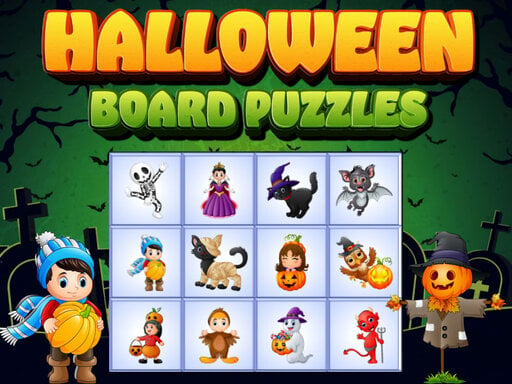
These games reward careful resource management and tactical placement, and they fit well on a table for local matches with strategy board games.
How To Play strategy board games
Fast play involves placing pieces, rolling dice, and moving units, and you collect, build, and trade to reach the goal.
Core Mechanics
Players manage resources, plan turns, and control pieces using cards, dice, or tokens to score points and meet objectives. Common mechanics include area control, worker placement, and hand management, which shape the flow and drive player decisions and multiplayer board games. Randomness from dice or cards adds tension, while balanced rules and shared turns keep the session fair and predictable in classic strategy games.
Tips
Watch the board and track opponent moves to protect your plan and avoid wasted actions. Plan ahead for resource needs and use your pieces to block, collect, or build where it helps most. Keep turns short and focus on one clear goal, then adapt when new options appear on the board.
strategy board Games FAQs.
Q: What controls are used in strategy board games?
A: Players use hands to move pieces, roll dice, and draw cards.
Q: What is the main objective?
A: The goal is to score points by meeting the game’s win conditions.
Q: Is multiplayer supported?
A: Many titles support multiplayer with shared turns and direct competition.
Q: What is the core mechanic?
A: The core is resource management and tactical placement to reach objectives.
strategy board Puzzle Games Guide
Master strategy board puzzles by planning each move carefully. This game challenges your logic with simple rules and deep thinking. Focus on patterns and anticipate outcomes to solve each unique board efficiently.