 Adventure
 Driving
 Minecraft
 Dress Up
 Stickman
 trucks
 drifting
Mastering Puzzle Strategies Against Computer
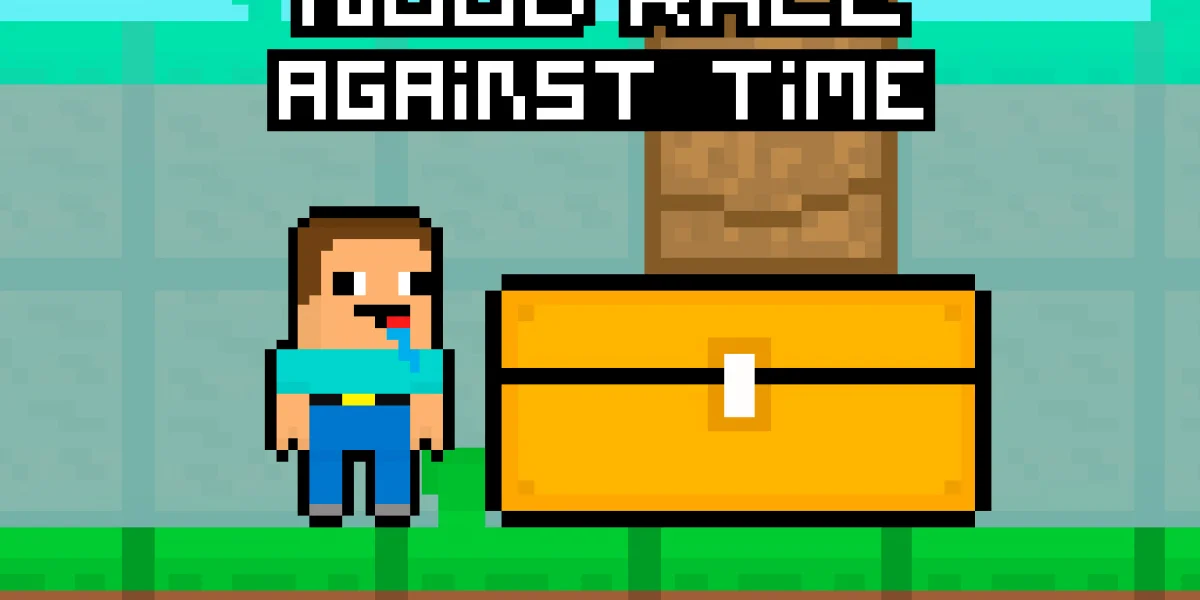
Exploring how to sharpen your puzzle-solving skills against a computer opponent can be a rewarding challenge for players of all levels. This guide focuses on the strategies and mindset needed to enjoy and master this type of gameplay, offering practical advice to enhance your experience and encouraging you to dive into the action directly from this page.
Players seeking a mental challenge often gravitate toward against computer scenarios in the Puzzle Games category, where artificial intelligence provides a rigorous test of logic and strategy, encouraging you to sharpen your problem-solving skills and discover new ways to outsmart digital opponents.
When you play against a computer in puzzle games, you are engaging in a battle of logic and foresight. Unlike human opponents, computer algorithms follow set patterns and rules, which means your success depends on recognizing these patterns and adapting your approach. The key is to remain patient and observant, allowing the computer's moves to reveal its underlying strategy. By focusing on the process rather than the outcome, you can develop a deeper understanding of the game mechanics and improve your decision-making over time. This mindset shift helps reduce frustration and turns every session into a learning opportunity, making your playtime both enjoyable and productive.
Building a Strong Foundation
Before diving into complex strategies, it is essential to grasp the basic mechanics of the game. Start by familiarizing yourself with the controls, the objective of each puzzle, and how the computer typically responds. Practice simple scenarios to build confidence, and pay attention to how small changes in your approach can lead to different outcomes. A solid foundation allows you to experiment with advanced tactics later without feeling overwhelmed. Remember, consistency in your early efforts will pay off as you progress, giving you the clarity needed to tackle more challenging puzzles with ease.
| Feature | Details |
|---|---|
| Gameplay style | Turn-based puzzle interaction against a computer opponent |
| Controls | Simple point-and-click or tap inputs for puzzle actions |
| Session pace | Relaxed and strategic, allowing time for thoughtful moves |
| Device fit | Optimized for desktop and mobile browsers |
| Category match | Fits perfectly within puzzle games for logical challenge |
Reading Computer Patterns
Computers in puzzle games often use deterministic algorithms, meaning their moves are based on predefined rules rather than randomness. By observing these patterns, you can predict future moves and plan several steps ahead. Start by noting how the computer reacts to different board states or puzzle configurations. Does it prioritize certain actions? Does it have a defensive or aggressive style? Once you identify these tendencies, you can counter them effectively. This analytical approach not only boosts your win rate but also makes the gameplay feel more dynamic and engaging, as you are essentially solving two puzzles at once: the game itself and the opponent's behavior.
Developing Adaptive Strategies
While recognizing patterns is crucial, flexibility is equally important. A strategy that works against one computer setting may not be as effective in another, so be prepared to adjust your tactics mid-game. Experiment with different opening moves, risk levels, and resource management techniques. For instance, if the computer consistently counters your aggressive plays, try a more defensive stance to lure it into a trap. Adaptive thinking keeps the gameplay fresh and prevents you from falling into predictable routines. Over time, this approach will help you build a versatile toolkit that can handle a wide range of puzzle challenges.
Managing Time and Pressure
Even in turn-based puzzles, time management can influence your performance. While the computer does not rush you, taking too long on each move can lead to mental fatigue and missed opportunities. Set a comfortable pace that allows for careful consideration without stalling. Use breaks between sessions to reflect on your decisions and identify areas for improvement. Balancing speed and accuracy is a skill that develops with practice, and it helps you maintain focus during longer play sessions. By managing your time effectively, you can enjoy a smoother and more rewarding experience.
Leveraging Feedback and Learning
Every game session provides valuable feedback on your performance. Pay attention to wins, losses, and the moves that led to those outcomes. Many puzzle games against computers offer hints or replay features—use them to analyze your thought process. Ask yourself what you could have done differently and how the computer's response changed based on your actions. This reflective practice turns each session into a mini-lesson, accelerating your growth as a player. Over time, you will notice patterns in your own playstyle, allowing you to refine your strategies and become more confident in your abilities.
Staying Motivated and Enjoying the Journey
Progress in puzzle games is not always linear, and it is normal to encounter setbacks. The key is to stay motivated by celebrating small victories and focusing on the joy of solving puzzles. Set personal goals, such as completing a certain number of levels or improving your win rate, and track your progress. Remember that the computer opponent is there to challenge you, not to frustrate you. Embrace each loss as a learning opportunity and each win as a testament to your growing skills. With a positive attitude, you will find that playing against a computer becomes a relaxing and intellectually stimulating hobby.
FAQ
What makes playing against a computer in puzzle games unique? It offers a consistent and fair challenge, allowing you to practice and refine your strategies without the unpredictability of human opponents.
How can I improve my performance quickly? Focus on understanding the computer's patterns, practice regularly, and analyze your moves after each session to identify areas for improvement.
Is this game suitable for beginners? Yes, the puzzle mechanics are designed to be accessible, with a gentle learning curve that helps new players build confidence.
Can I play on different devices? Absolutely, the game is optimized for both desktop and mobile browsers, ensuring a smooth experience wherever you are.
What should I do if I feel stuck? Take a short break, review your previous moves, and consider trying a different approach. Sometimes a fresh perspective makes all the difference.
Are there any advanced tips for experienced players? Experiment with adaptive strategies, manage your time wisely, and use feedback from each game to fine-tune your tactics.
How do I start playing right now? Use the play link provided at the top of the page to jump directly into the game and begin your puzzle adventure.